
Welcome!
This is the official (alpha) site for a long hike — a survival adventure where every run tells a new story. Use the top bar to explore systems. Start with Weather to see how atmosphere shapes every mile.
Weather
FeaturedStorm buildup, rain intensity, lightning behavior, temperature shifts, wind & visibility, and how atmosphere steers plans each mile.
ReadCampfire
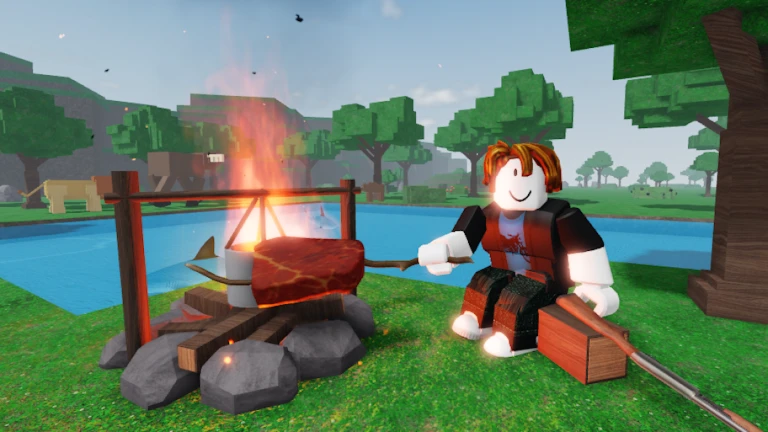
Learn how campfires are built, fueled, and maintained in a long hike. See how rocks, logs, weather, and survival systems all tie into your fire.
ReadAnimals
Wildlife brings the world alive. Predators hunt, herbivores graze, packs defend their own, and babies grow with unique behavior and voices.
ReadMonsters
NewNot all dangers are natural — monsters hunt at night, sniff out meat, and stalk players with unique AI and terrifying behavior.
ReadCampfire
Campfires in a long hike are living systems — built from rocks and logs, influenced by weather, and critical to survival.

Construction
Campfires begin as a ring of rocks. At least 4 close rocks must be placed to form a valid campfire. The ring creates coverage: the more rocks, the more shielded the fire is from rain and wind.
Rocks & Coverage
Each rock in the ring increases coverage %. Coverage affects:
- Wind shielding: A complete ring reduces wind impact to ~20%.
- Rain shielding: A full ring reduces rain penalties by up to 25%.
- Stability: If all rocks are gone, the campfire collapses.
Logs & Fuel
Logs provide the actual fuel. Each log has a max fuel value, which burns down over time. Burn duration is dynamic:
- Base time: ~35 seconds for a dry log.
- Moisture: Wet logs burn shorter and release steam.
- Weather: Rain cuts fuel effectiveness; storms reduce it further.
- Temperature: Cold slows ignition; warmth extends burn slightly.
Fire Behavior
- Visuals: Fire particles, smoke, and light strength scale with burn rate.
- Audio: Fire crackle adjusts based on intensity; wet logs trigger sizzle sounds.
- UI: A burn bar shows remaining fuel. Green = healthy fire, Orange = low, Red = nearly out.
Player Impact
- Warmth: Prevents freezing in cold conditions.
- Cooking: Raw food becomes safe and more nourishing.
- Light: Expands visibility and helps deter night dangers.
Team Strategy
Fires require teamwork: while one player gathers rocks for coverage, others hunt for logs. Choosing when to burn fuel is key — waste logs too early, and you may not survive the night.
Weather
How atmosphere evolves across a run — pacing survival, planning, and the stories you tell.

Weather in a long hike is systemic, readable, and varied. It pressures planning (what to carry, when to move, where to camp) and creates tension arcs without scripting.
States & Transitions
- Clear: max visibility, light breeze.
- Overcast: cloud cover grows; light desaturates.
- Light Rain: surface wetness, mild chill; buckets fill slowly.
- Heavy Rain: visibility loss; faster wetness; fire suppression likely.
- Thunderstorm: lightning strikes; thunder delay by distance; gusts peak.
- Cold Front: sustained temperature drop.
- Heat Wave: Hydration loss spikes; shade is strategy.
Generation & Timing
- Each mile rolls a window: none / light / severe, with duration and cooldown bounds.
- Anti-streak rules avoid identical severe events back-to-back unless the run profile is storm-heavy.
Player Impact
Temperature
- Driven by time, biome, elevation, wind, and precipitation.
- Cold → higher calorie burn & hypothermia risk; tents/pelts/fire counter it.
- Heat → faster thirst & heatstroke risk; shade/hydration mitigate.
Water
- Buckets fill in rain and rivers; must be boiled/filtered before drinking.
- Water placed on fires can evaporate if left too long.
Fire & Fuel
- Logs travel dry → damp → wet. Rain pushes; heat pulls back.
- Wet logs resist ignition and burn shorter; heavy rain suppresses spread.
- Lightning can ignite flammables even during rain (reduced chance).
Food
- Exposure & humidity affect spoilage; cold slows decay, heat/humidity accelerate it.
Wind & Visibility
- Baseline wind plus gusts during events; gusts sway foliage and push smoke.
- Heavy rain reduces draw distance; lightning flash + thunder roll give strike-distance feedback.
Strategy
- Shelter: tents/caves/structures block wetting & chilling; fire inside shelter yields best heat per fuel.
- Cart as Base: carry fuel, water, tents — mass vs. travel speed tradeoff.
- Route Choice: push miles under clear skies; bunker during buildup.
Balancing
- Severe events have max durations with guaranteed lulls to avoid unwinnable loops.
- Fairness: lightning avoids repeated immediate strikes on the same player.
- Early miles bias toward safe learning of weather reading.
Tuning Levers
- Rain fade-in/out
- Lightning interval
- Gust frequency/strength
- Wet→dry recovery
- Food spoil multipliers
- Temp shifts per biome/time
- Event durations/cooldowns
- Visibility reduction per state
Animals
The wild is never quiet — predators stalk, herds flee, babies call out, and every animal is fully simulated with hunger, stamina, senses, and unique death/fleeing behaviors.

Species
Current wildlife includes wolves, lions, tigers, black bears, grizzlies, moose, sheep, and pigs. Each species has unique stats for speed, damage, health, hunger rate, and aggression.
- Predators: Wolves (pack AI), lions, tigers, bears — chase prey and players, enraged when damaged.
- Herbivores: Moose, sheep, pigs — graze on bushes, flee when threatened, may group into herds.
- Babies: Smaller scale, reduced damage, higher-pitched vocalizations, less health, often stay near adults.
Behaviors
- Hunger: Ticks continuously. Predators hunt when hunger is high; herbivores graze bushes or water.
- Stamina: Drains while chasing, recovers at rest. Low stamina slows run speed.
- Perception: Vision cones, hearing distance, and smell affected by wind, weather, night/day, and enraged state.
- Packs: Wolves alert nearby packmates; damage to one wolf can trigger group aggression.
- Enrage: Predators damaged by a player gain heightened senses and longer chase memory.
- Baby Protection: Adults will aggro more aggressively if baby animals are nearby.
Combat
- Melee hits: Require distance + frontal cone + line of sight (no “back-stab” hits).
- Attack feedback: Red hit highlight + attack sound + damage SFX on the victim.
- Player damage: Reduces
MyHealth, triggers scream SFX. - Animal damage: Reduces both Humanoid health and AnimalData HP UI.
- Death: Plays scream SFX, fades model, drops meat/pelts/bones based on species + Pro Hunter bonus.
Environment Interaction
- Water: Animals avoid standing water but linger near edges to drink.
- Berries: Bears, pigs, moose, and sheep graze bushes when hungry.
- Weather: Thunderstorms lower visibility; bears’ eyes glow red at night.
- Temperature: Spawn rates and activity shift with cold/heat (e.g., moose thrive in cold, lions in warmth).
AI Spawning
Animals spawn dynamically based on habitat: water distance, cover, slope, berry bushes, player distance, and predator/prey separation.
- Plates: Each baseplate spawns up to 14 animals, separated by type and environment.
- Habitat preferences: Wolves prefer open ground, tigers dense cover, bears berries + water, moose lakeshores.
- Time of day: Wolves and tigers more active at night, sheep more active in daylight.
- Rare encounters: Sometimes predators and prey spawn unusually close.
Loot & Rewards
- Meat: Species-specific drops with weight values; babies drop smaller meat or none.
- Pelts: Wolves/bears drop pelts (chance scales with Pro Hunter pass).
- Bones: Wolves may drop bones.
- Pro Hunter pass: Doubles meat + loot chance.
- Friendly Animals pass: Prevents animals from aggroing the player.
Monsters
Beyond wildlife lurk supernatural horrors — AI-driven predators that spawn with the night, scale with weather and moonlight, and adapt to player behavior.

Species
- Nightclaw: Heavy-hitting beast with sword-like swings, thrives in thunderstorms.
- Lumen: Fast claw attacker, the most agile stalker in the dark.
- Sprig: Small but persistent — often spawns in groups and wears players down.
Behavior
- Night-bound: Monsters spawn only after sunset, rates scale with moon phase.
- Weather-driven: Rain and storms increase Nightclaw and Lumen spawn weight.
- Fire avoidance: They keep 28 studs away from campfires but circle the edges.
- Meat attraction: Monsters sniff corpses and meat — pausing to eat before resuming the hunt.
AI Systems
- Attack caps: No more than 3 monsters can attack one player at once.
- Sleep/wake cycle: Far monsters go idle, saving performance until players approach.
- Dynamic death: Custom screams and collapse animations
- Fire damage: Standing in flames or firelight burns their health down.
Contact
Questions, bugs, suggestions — we’ve got you.
Need help with a long hike or want to reach us? Create a ticket in Discord or use the links below. Thanks for playing and supporting us — as just two people making this game, every bit of support means a lot!